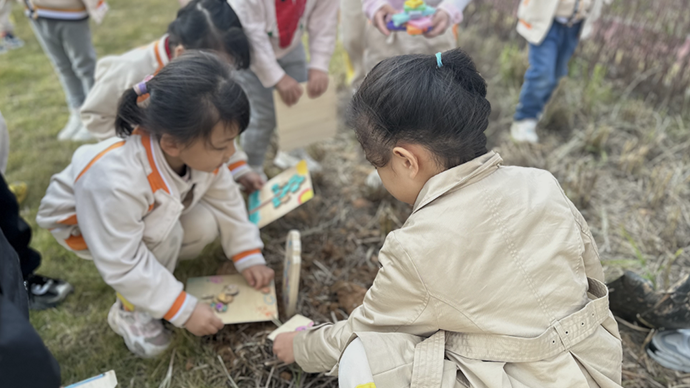
A traditional natural science class will tell children through picture books or videos that from seeds to harvest, we will go through sowing, watering, fertilizing, deworming and other steps, and finally we will harvest the fruits we want. It sounds simple, and you will get a harvest.
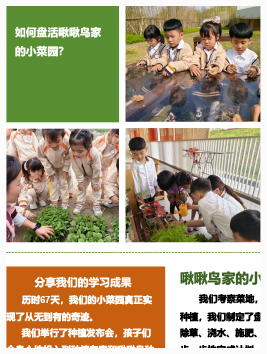
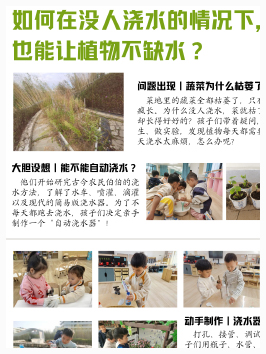
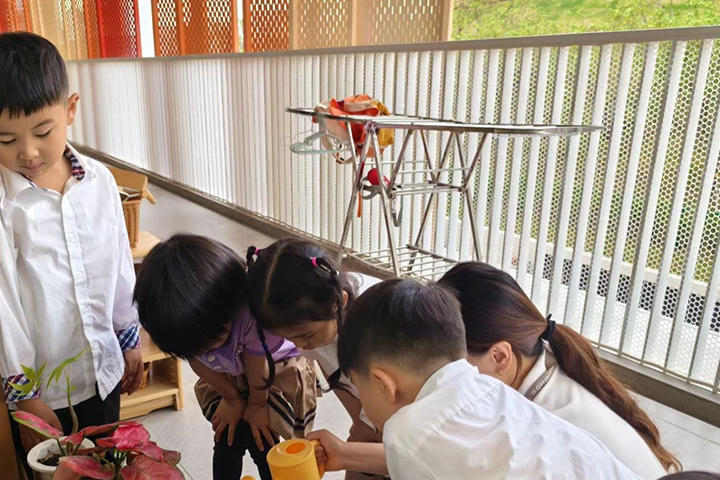
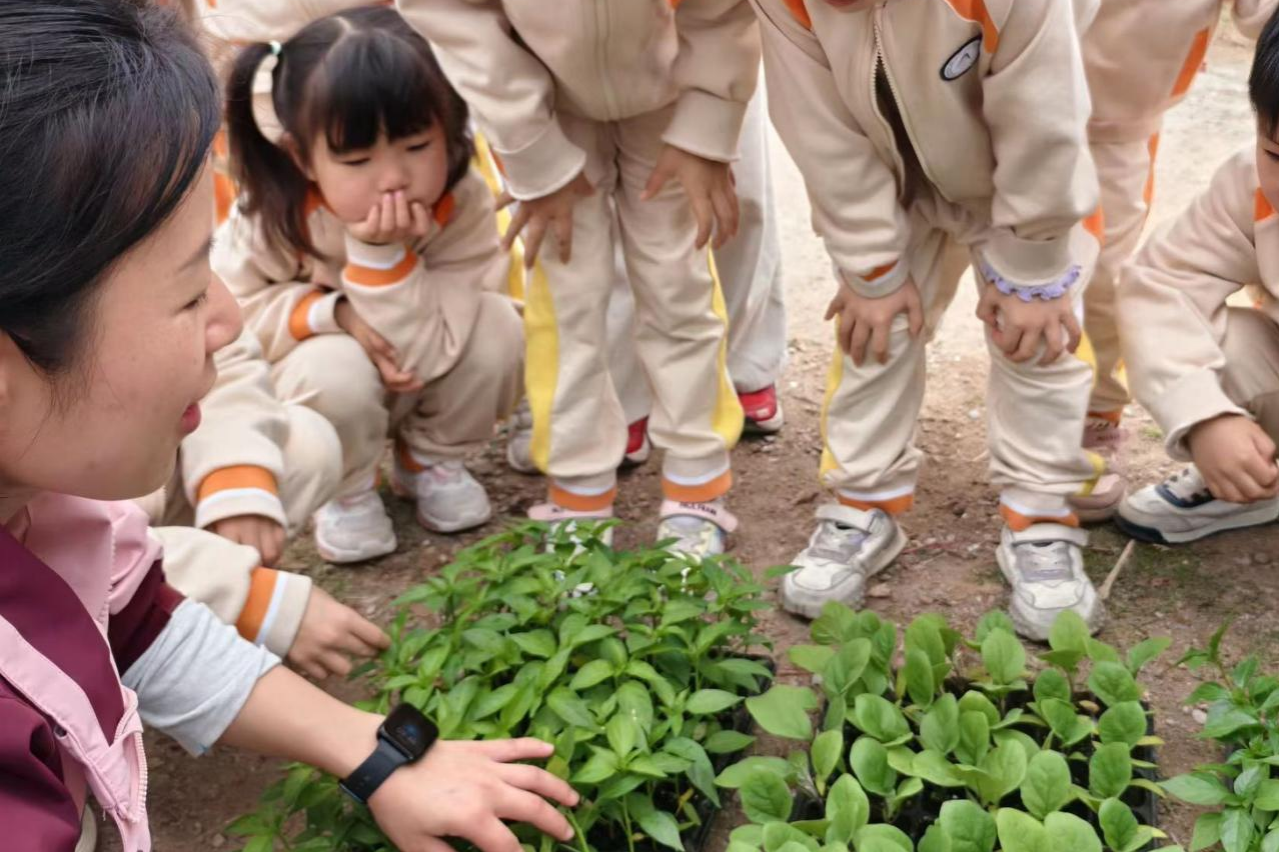
The children in the chirping bird class really went to the vegetable field to sow seeds, but they didn't even have a chance to water, and the seeds didn't germinate at all. Why? The children were not convinced. They inspected the land in the vegetable garden and found that the soil in the vegetable field was dry and hard. They went to the farm to consult the farmers, learned about the seeds suitable for planting in this season in Dongguan, and learned how to use agricultural tools. When they returned to the kindergarten, they started with seeds again.
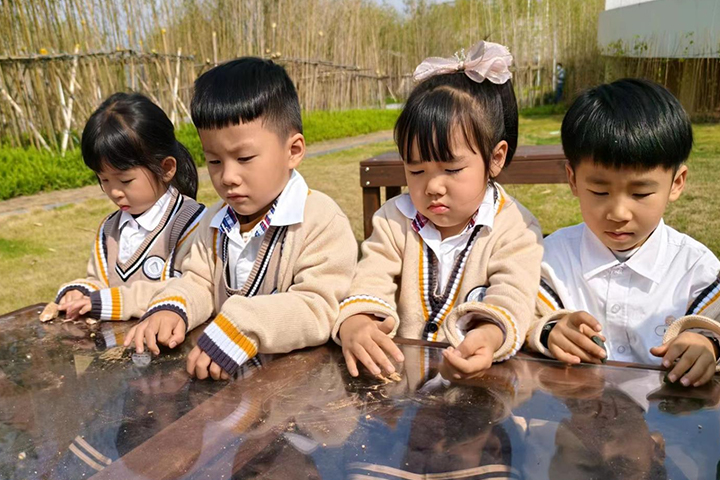
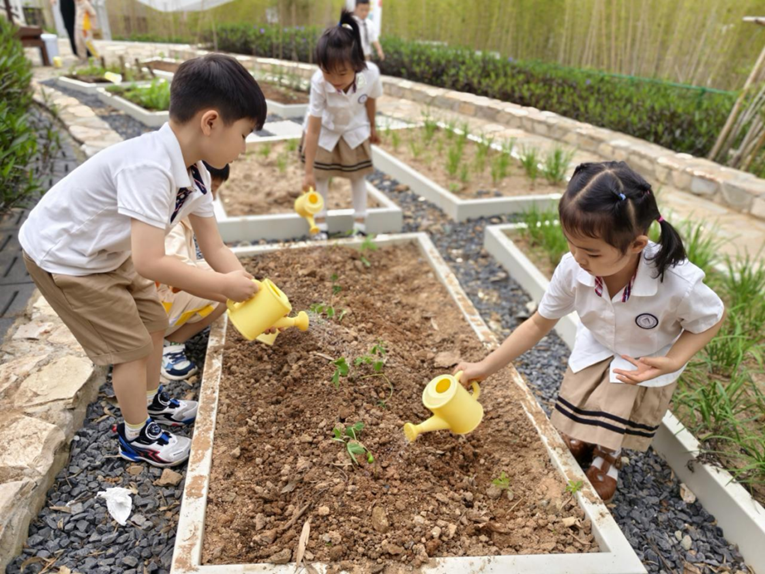
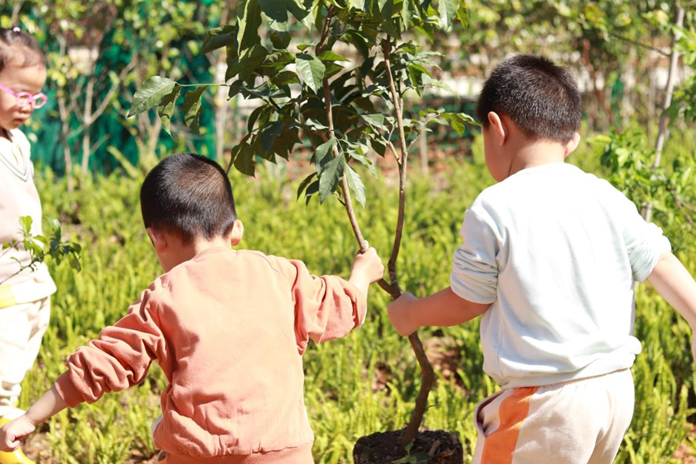
This time, we carefully prepared the germination environment suitable for each seed, conducted soil water content experiments, went to the vegetable field to turn over the soil, raised the ridges, and measured the spacing between the seedlings. In the scorching sun, the children worked with great interest and became a real planter. They also truly understood that "sweated seedlings are planted in the soil, and every plant is hard".
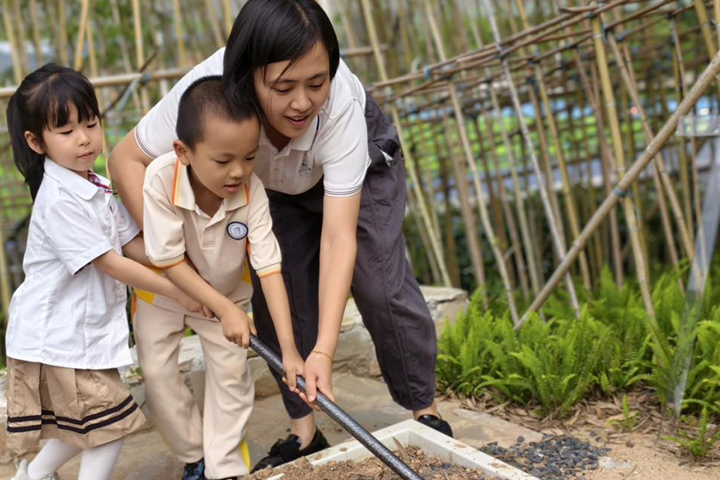
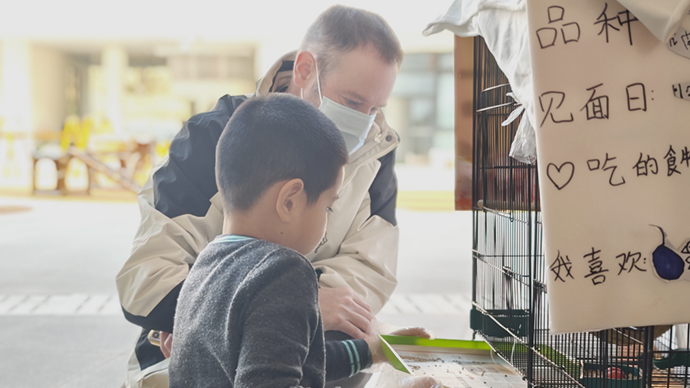
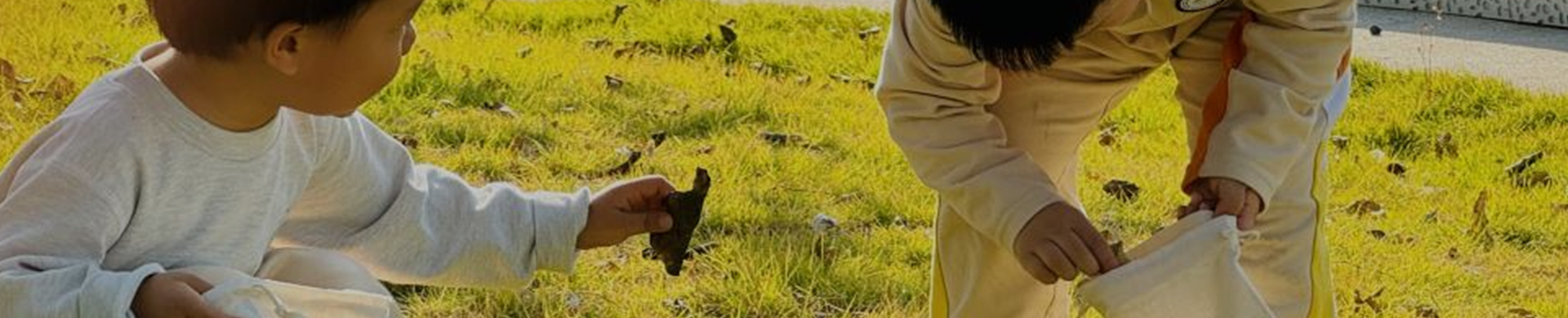
From the beginning of springBy the beginning of summer, after the two-month spring plowing project, the hard-working farmers finally ushered in a small harvest. They can also better understand the complexity and openness of the real world. They can feel that everything has its own growth rhythm in nature. What we need to do is to take good care of it and wait patiently.
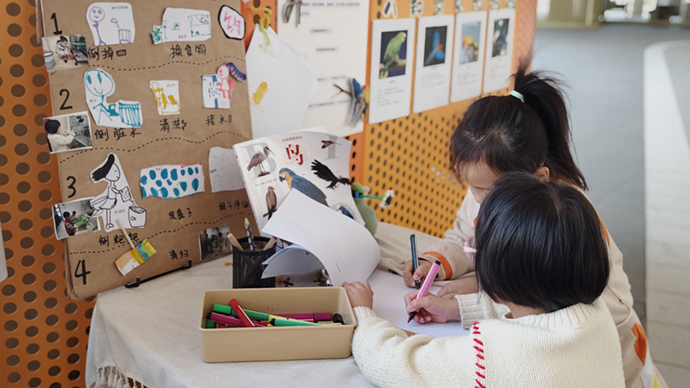
This is the project-based learning that kindergartens are doing. Together with our children, we solve problems and create values in real life. Through the project, toy shops, flower shops and hospitals were opened in kindergartens. We planned a parent-teacher meeting for our parents, designed automatic watering machines, and signed contracts, cut ribbons, and held press conferences in kindergartens. Learning is no longer trapped in the classroom, but flows in every corner of life.
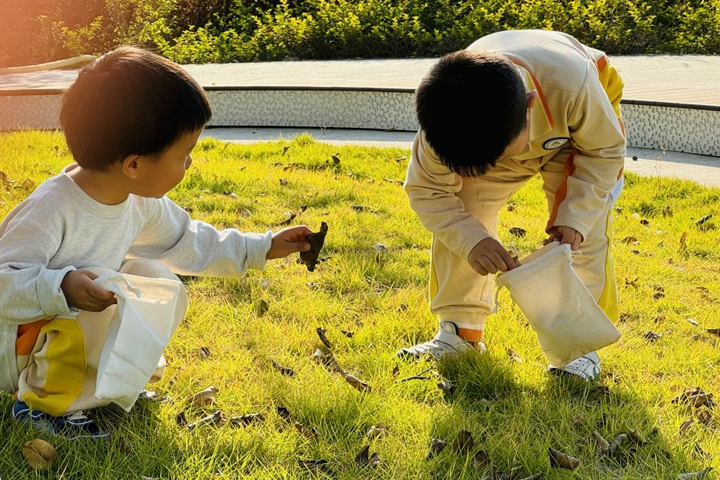
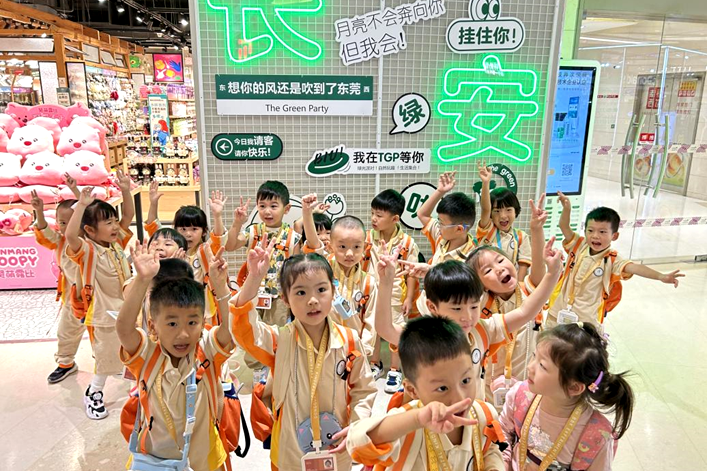
The project breaks the boundaries of traditional disciplines, time and space, so that learningIt is no longer a collection of knowledge, and children weave their own web of meaning in the process of learning.
The first is the integration of time and space. In the project, children's learning is no longer limited to the small world of kindergarten, but can be linked to the wider world, which can happen anytime and anywhere. They can go to the farm to see how the land plowed by farmers is so fluffy, and go to the flower shop to see what positions are needed to open a flower shop, how to arrange and price them. They set off with problems and come back with full harvests; we also hope that through the integration of space, children can feel diversity, and watch grandparents go to kindergarten. Happiness Classroom, let's take a look at the kindergartens around the world. Do French kindergartens also do basketball exercises? How do the children in Denmark spend their day?This kind of exploration makes children jump out of the well, and they will find, wow, the world is so big!
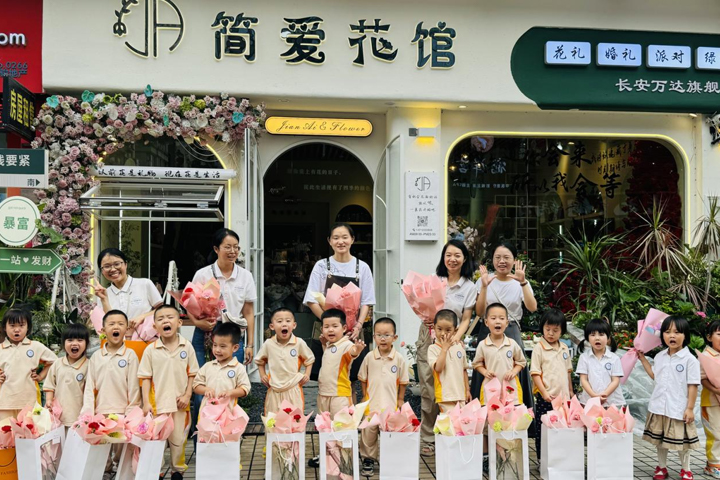
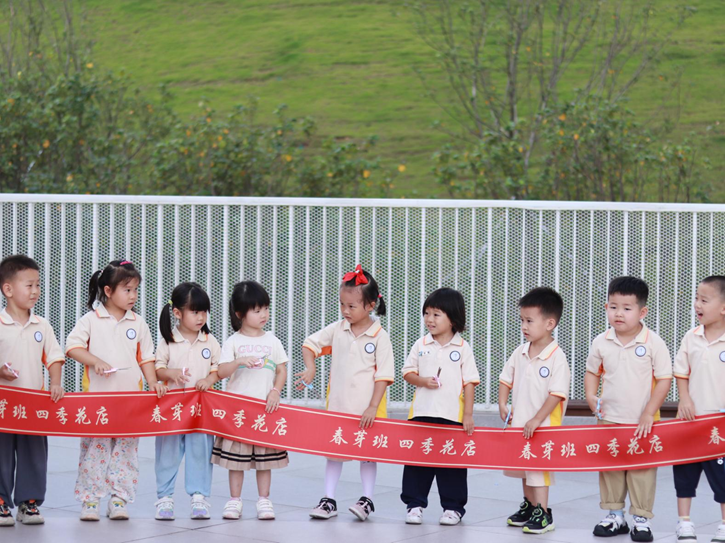
Behind the lively activities, learning is everywhere and growth occurs at any time. What the project brings to children is the development of cross-field knowledge experience and high-level ability.
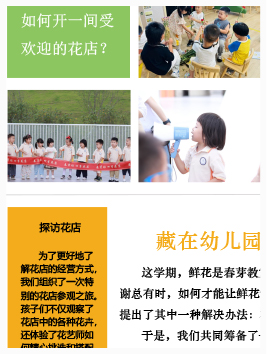
In the Four Seasons Flower Shop Project, in order to open a store, making flower crafts has cultivated children's artistic literacy. Market research has developed children's communication ability and empathy. Designing the flower shop logo and naming of the flower shop makes children feel the charm of co-creation, and they also learn how to make decisions responsibly when voting...
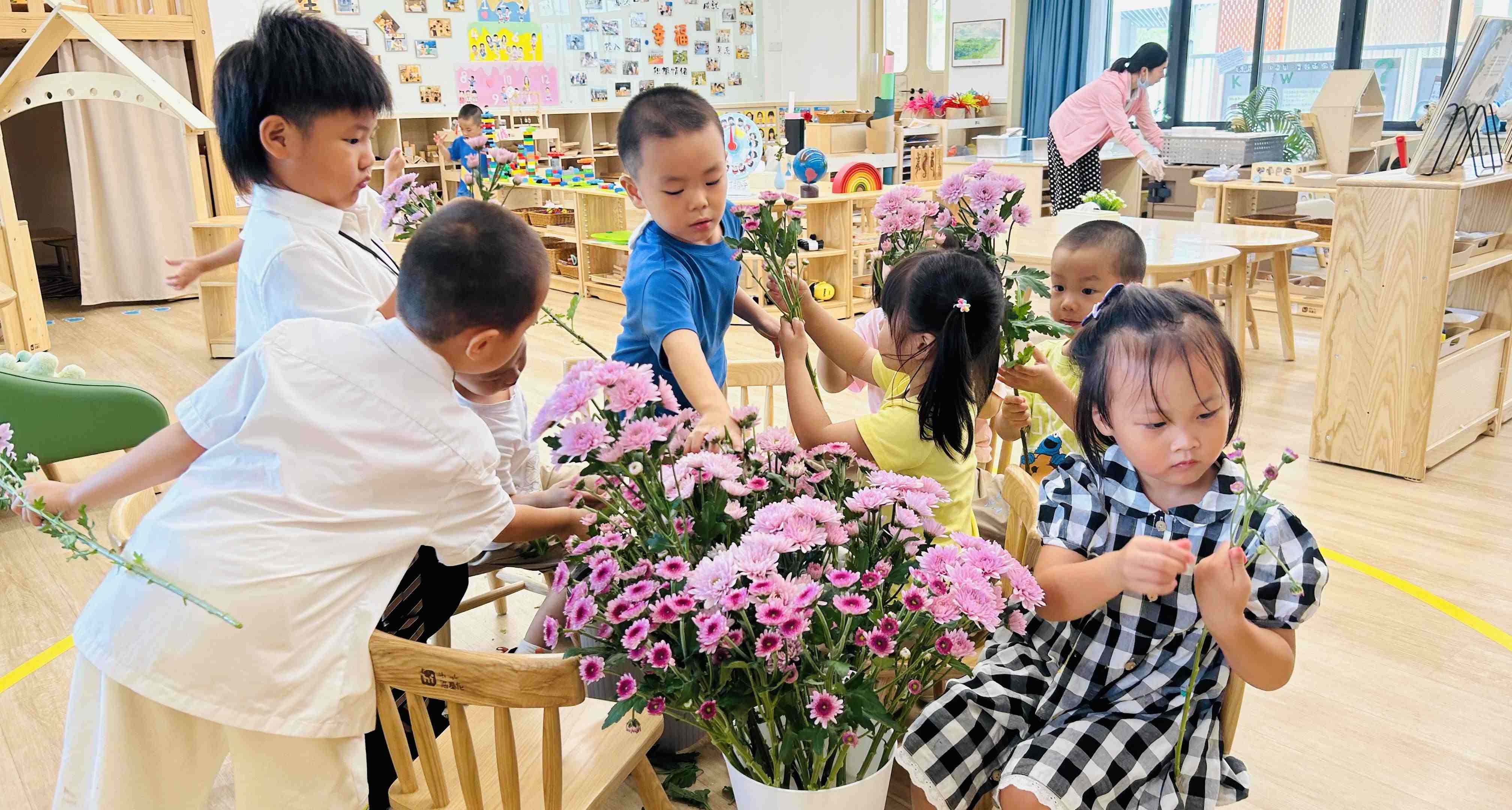
The flower shop successfully cut the ribbon and opened. After the first day, the teacher and children used the statistical chart to evaluate the operation of the flower shop. The children intuitively saw the profit and loss of various categories of the flower shop. They found that they not only did not make money, but also lost money.Children find that selling a bunch of flowers is easy to lose money, and selling a single flower is the most profitable.
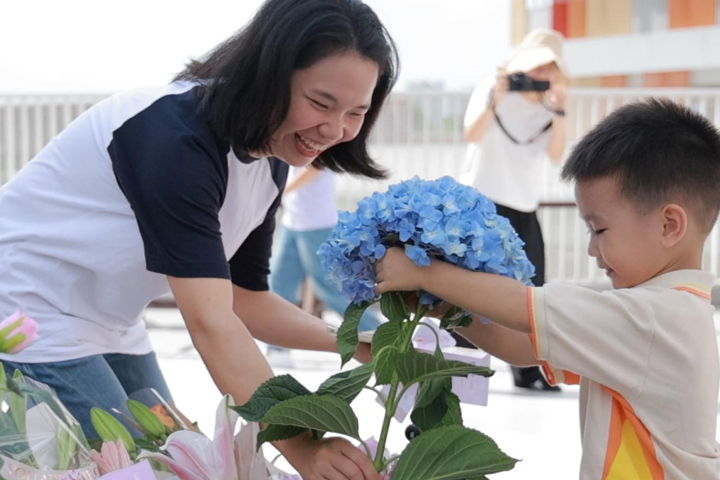
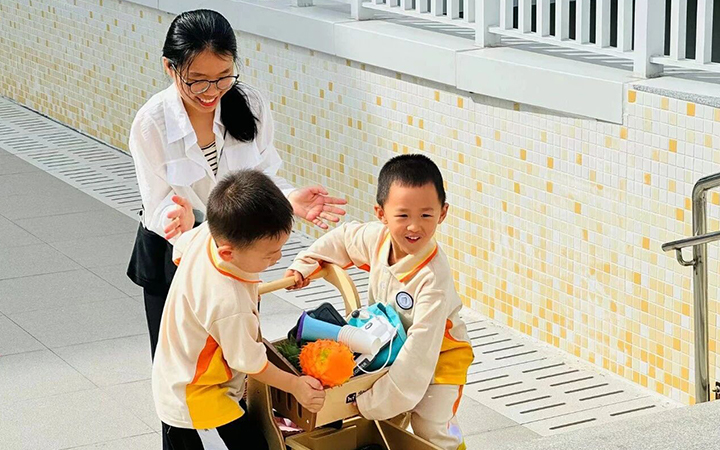
So the next day, the children packed the flowers into a single branch to sell, and also made all kinds of flowers to sell, and finally turned the loss into profit. Later, the Four Seasons Flower Shop also opened online distribution and unmanned sales business to further expand the market, reduce manpower costs, and cultivate more complex thinking skills.
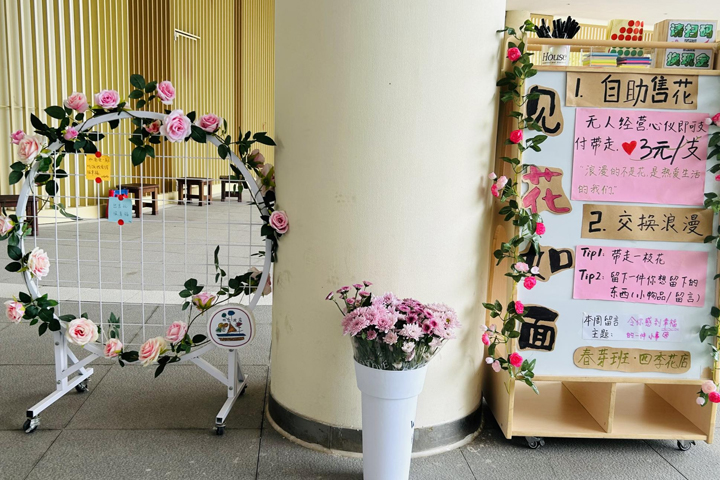
At the end of the project, teachers and children use the "KWL" tool to review and develop children's metacognitive ability. True understanding lies in connection. When the boundaries of disciplines are dissipated, children can see the whole picture of the world.
In the project, children not only see, but also influence. This influence spreads like ripples - from oneself to the class, to the school, to the larger community.
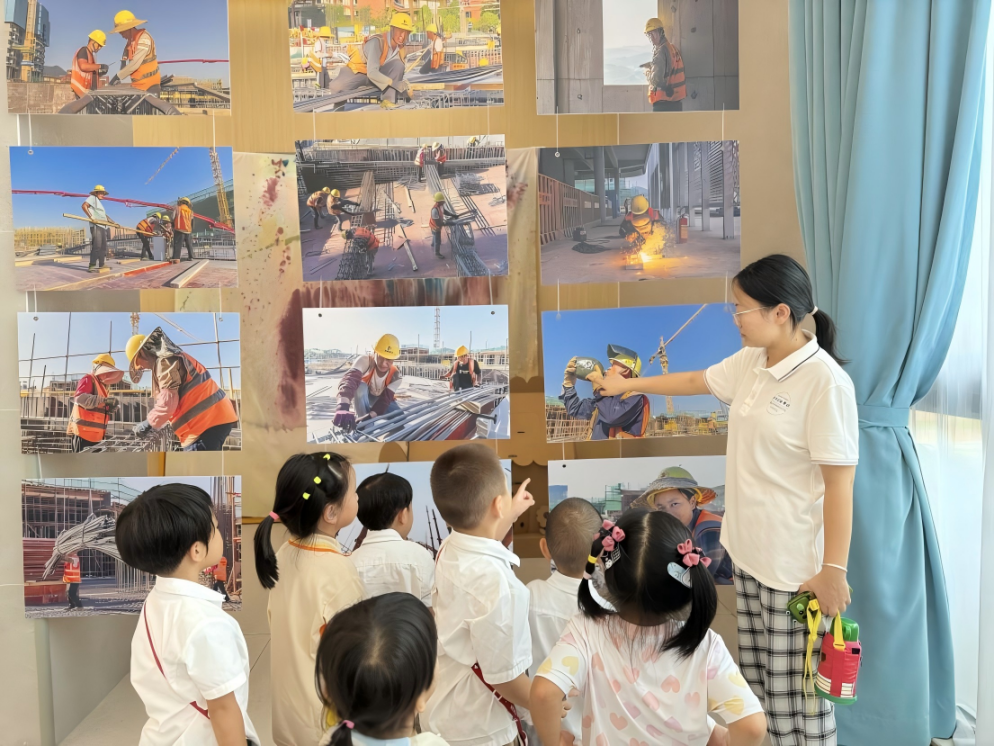
In September, we ushered in the birthday of the kindergarten. The children participated in the kindergarten growth photography exhibition and saw the whole process of the kindergarten from the foundation to the completion. The children found that this place where they spent a good year turned out to start from the small slope.
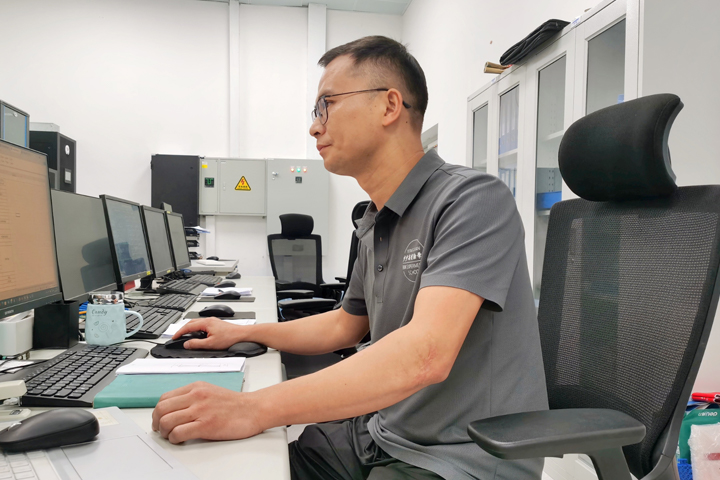
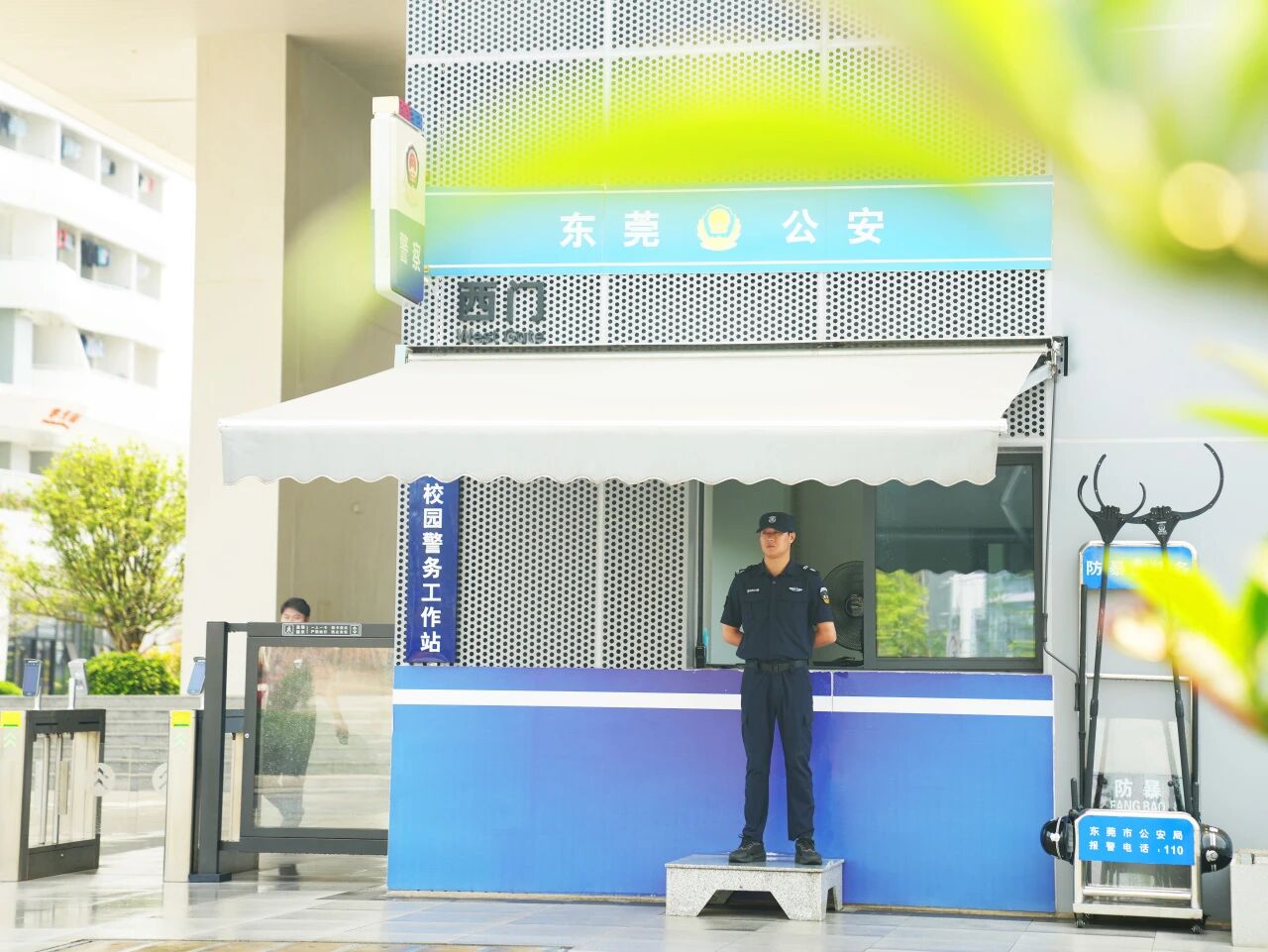
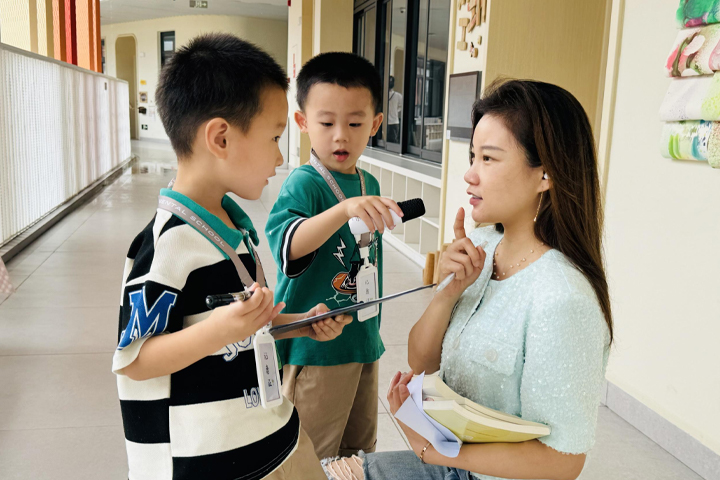
Then, the question arose, who made all this beautiful happen? Therefore, the children disguised themselves as little reporters, walked into the security room, kitchen and equipment room to interview those "invisible heroes", and took a precious photo for everyone who gave silently:
This is Uncle Xu Shu of the operation and maintenance team. He is from Hubei.
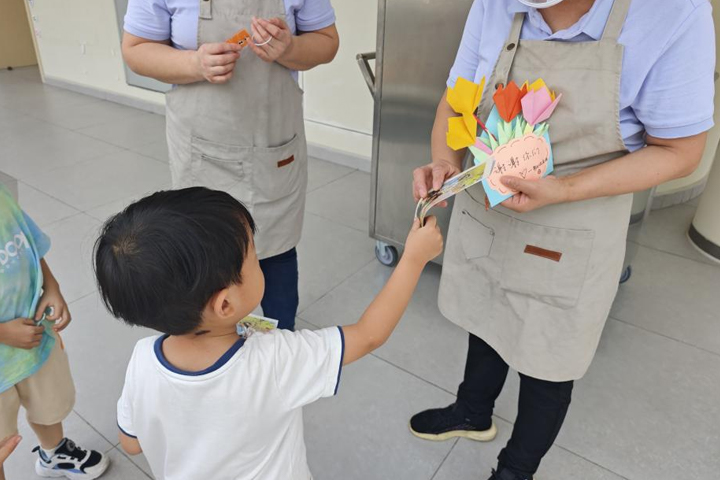
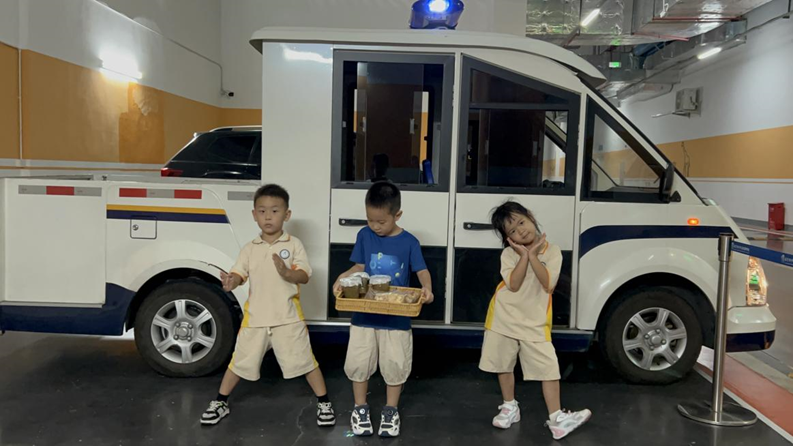
Children no longer regard these people as NPCs in kindergarten, but see complete and real people.They also have a strong desire to thank them.
They invited the uncles and aunts in the logistics to hold a tea party, take them to see the photography exhibition like a tour guide, make dozens of sandwiches meticulously, and take a patrol car to send care to the security uncles of the whole school.
Because of the exploration of such a garden celebration project, those who silently paid were seriously seen, received the simplest and most sincere thanks, and had more sense of belonging. This small school community has become more cohesive because of the children's actions.
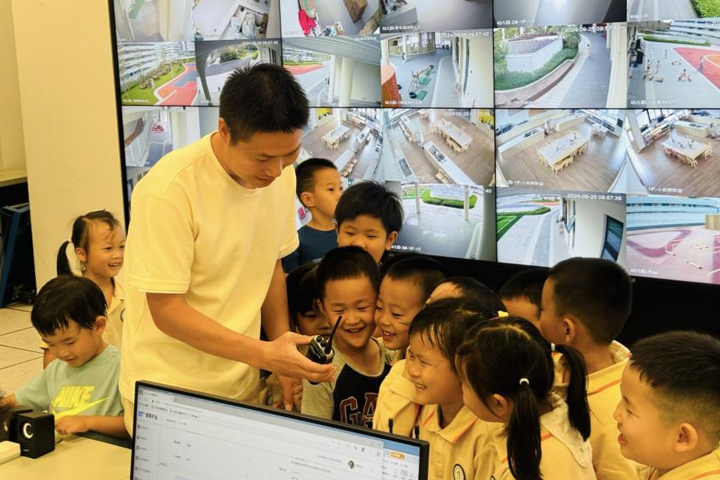
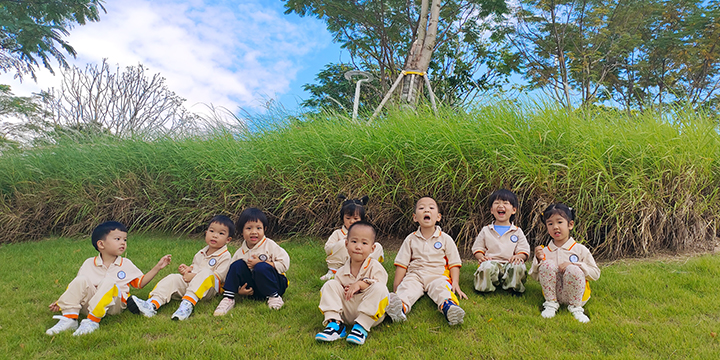
This is influential learning. In the project journey of "seeing" and "changing" again and again, children will gradually realize that this is where I live, where I love, and I have the ability and the right to change:
I can invite the children in the whole garden to watch a movie, prepare a beautiful, delicious and fun parent-teacher meeting for my parents, and send idle books to Yunnan thousands of miles away...
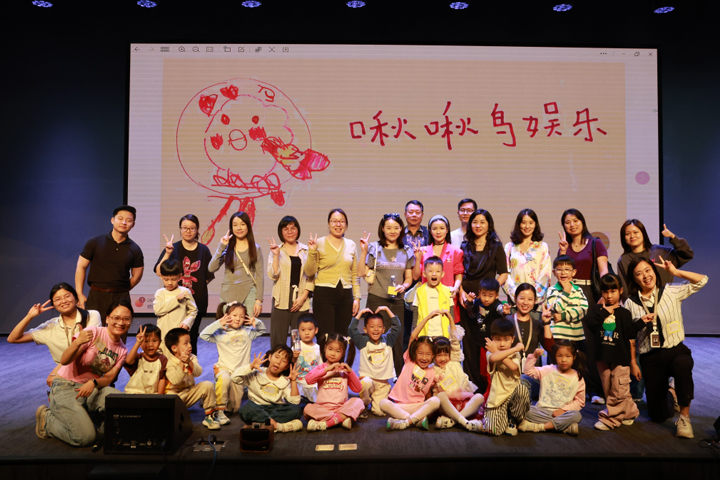
The group of children who held a funeral for the parrot respected life more after experiencing the death of the parrot; the group of children who were distressed because the seeds in the vegetable field did not germinate were looking for a solution in uncertainty; the group of children who smiled for the logistics colleagues to eat grapefruit were feeling the most fundamental meaning of learning - creating value and making themselves Let others make the world a better place.