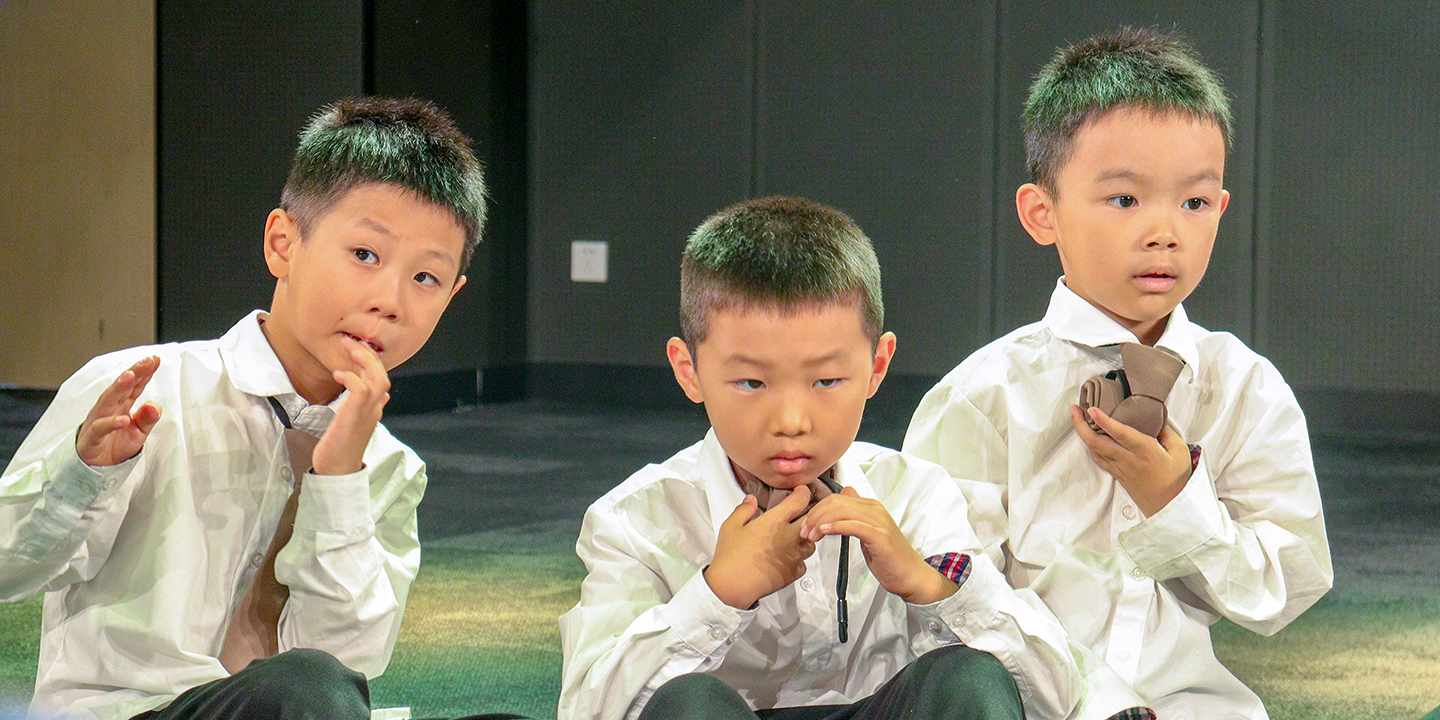
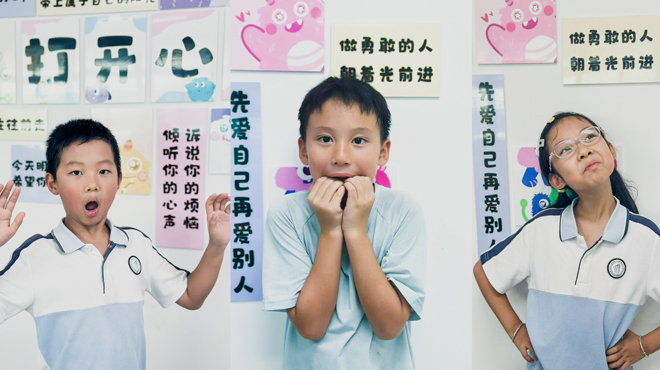
In a diverse and increasingly complex world, citizens' ability to adapt, adapt, cooperate and take responsibility has become a sign of the good functioning of society. Against this background, the societyEmotional learning (SEL) is important as an evidence-based project and practice to promote social emotional cognitive development and positive behavior. It aims to cultivate five core competencies, namely self-awareness, self-management, social awareness, interpersonal skills and responsible decision-making. It is the process for children and adults to acquire and apply knowledge, skills and attitudes.
SEL is not only beneficial to personal well-being, but also can promote talent cultivation and broader community and social progress in the 21st century. It has been recognized and promoted by international organizations such as the ECO, the World Bank and UNESCO. Its implementation requires the help of educators and parents in schools, families and communities. It is also necessary to rely on rigorous and systematic courses that meet the characteristics of children's social and emotional development of different ages and are based on evidence.
The SEL course of the primary school department teaches students the skills needed to achieve success in campus life through the teaching form of experiential activities, enhances students' learning ability, empathy ability, emotional management ability and problem-solving ability, and enhances their social and academic success. Students with social and emotional ability can feel that they have a closer connection with their school and peers, thus building a healthy, safe and mutually respectful campus atmosphere for everyone.
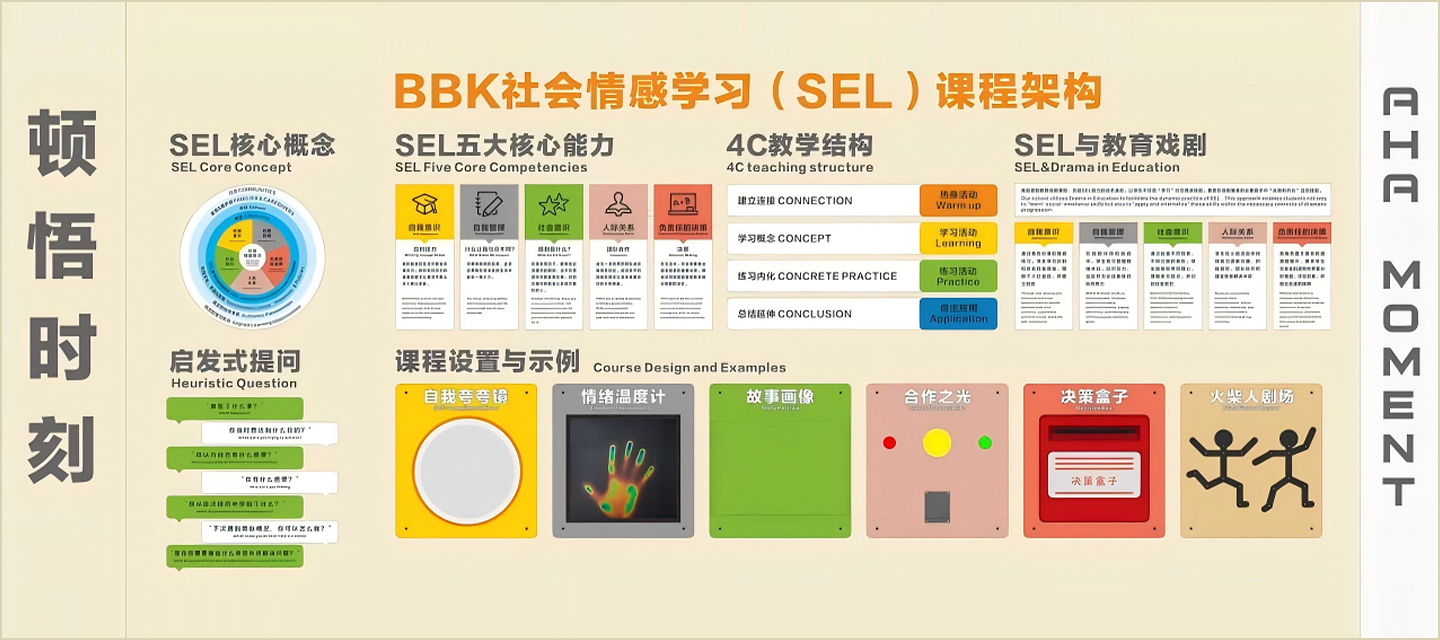

Students learn to listen effectively, concentrate, use self-dialogue and express themselves confidently and politely, acquire the basic skills of successfully participating in learning, develop self-regulation ability, and improve their investment in learning.In repeated drills, students will integrate and apply these skills and eventually succeed in different learning environments.

Students learn how to identify and understand the feelings of themselves and others, manage their emotions, express empathy to others, develop empathy, solve social problems, and lay the foundation for meeting peer challenges and building a sense of social responsibility.

Students learn how to understand and identify the strong feelings of themselves and others, and cultivate emotional management skills, which will help them improve their coping ability, reduce aggressive behavior, reduce the probability of various problem behaviors, and get along better with others.

Cultivate students' ability to solve problems in a safe and respectful way. Students study to explain problems with a neutral attitude, come up with safe and respectful solutions, evaluate the pros and cons of the methods, help establish a safer and more respectful campus atmosphere, and promote learning and growth.
We also complete the dynamic drill of SEL ability with the help of educational drama courses. Let students not only "learn" social and emotional skills, but also "use and internalize" these skills in the necessary needs of drama promotion. Educational drama is essentially collective. Students continue to practice clear communication, active listening, teamwork and constructive conflict resolution in group activities, which points to the improvement of interpersonal relationships.Dramatic situations often put characters in complex moral dilemmas, requiring students to analyze the situation, evaluate the consequences, and make appropriate choices in a safe fictional world, which is the embodiment of responsible decision-making in SEL.